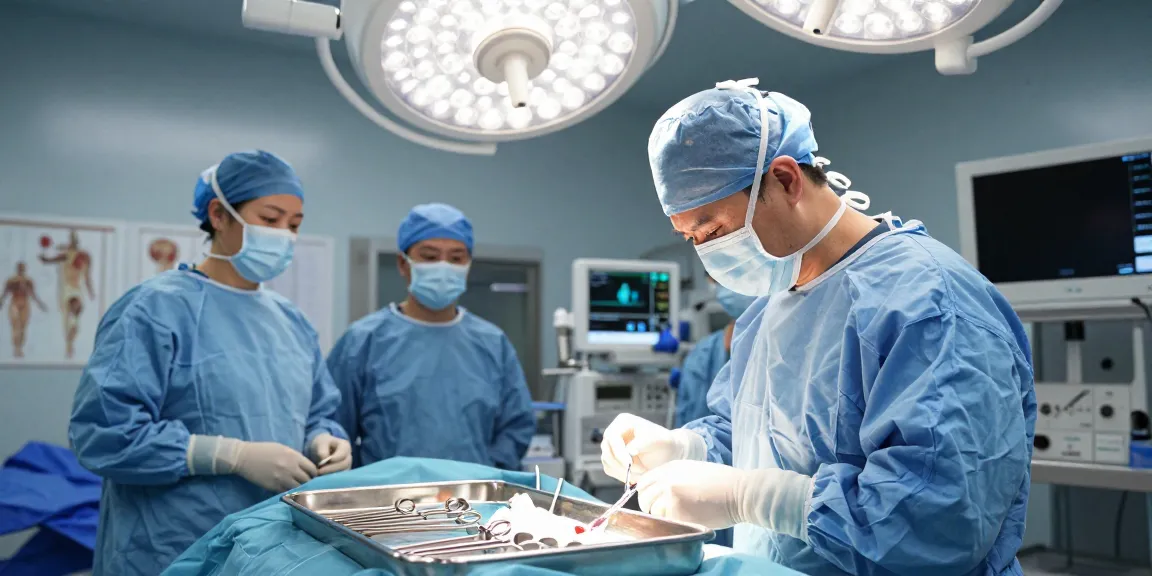
Understanding Surgical Instruments and Their Importance
Surgical instruments are fundamental tools used in a variety of medical procedures, playing a crucial role in enhancing the quality of surgical care. These instruments not only assist surgeons in performing delicate operations but also ensure patient safety and effective recovery. With a growing array of innovative technologies, the landscape of surgical instruments is rapidly evolving. Understanding the various types and classifications of these tools, their quality significance, and their role in patient safety is essential for both practitioners and healthcare facilities. For in-depth information on surgical instruments, practitioners and hospital administrators are advised to explore comprehensive resources that elucidate best practices and standards.
What Are Surgical Instruments?
Surgical instruments are specialized tools designed for specific functions in surgical procedures. They range from handheld devices such as scalpels and forceps to complex machinery like robotic surgical systems. These instruments are meticulously designed to perform tasks such as cutting, clamping, suturing, and retracting tissues. Their design and functionality are critical in ensuring not only the efficiency of surgical operations but also the safety and comfort of patients.
Types of Surgical Instruments Used in Procedures
The variety of surgical instruments can be classified into several categories based on their use:
- Cutting Instruments: Scalpels and scissors fall into this category, allowing surgeons to make precise incisions.
- Grasping and Holding Instruments: Forceps and clamps are vital for holding tissues or organs in place during surgery.
- Hemostatic Instruments: These include clamps and sponges that control bleeding during surgical procedures.
- Suturing Instruments: Needle holders and suture scissors are necessary for closing incisions post-procedure.
- Retractors: Instruments like skin retractors help to hold back tissues, providing visibility and access to the surgical site.
- Specialty Instruments: Tailored for specific types of surgeries, such as orthopedic or cardiovascular, these instruments are crucial for specialized procedures.
Why Quality Matters in Surgical Instruments
The quality of surgical instruments directly impacts surgical outcomes. High-quality instruments are essential for precision, effectiveness, and the overall success of surgeries. Inferior instruments can lead to complications such as infections, prolonged recovery times, and adverse patient outcomes. Therefore, healthcare facilities must invest in reliable surgical instruments that meet stringent regulatory standards and are frequently tested for safety and efficacy.
Essential Surgical Instruments Every Operating Room Needs
General Surgical Instruments: A Comprehensive Overview
Every operating room requires a set of essential general surgical instruments, which form the backbone of surgical procedures. These include basic instruments such as scalpels, scissors, forceps, and needle holders. Additionally, surgical trays should be stocked with various retractors and hemostats to ensure readiness for diverse procedures. By standardizing the availability of these instruments, surgical teams can effectively reduce operation times and enhance procedural efficiency.
Specialty Instruments for Specific Procedures
While general instruments are vital, certain surgeries demand specialized instruments tailored to specific functions. For example, laparoscopic surgeries require instruments that can function effectively through small incisions, such as laparoscopes and laparoscopic graspers. Similarly, orthopedic surgeries will necessitate instruments such as bone saws and drills. Understanding and procuring these specialized tools are essential for facilities to maintain a high standard of care.
How to Choose the Right Surgical Instruments
Selecting the right surgical instruments is critical for ensuring optimal surgical performance. Factors to consider include the type of procedure, the volume of surgeries performed, and the specific preferences of the surgical team. Engaging with manufacturers who offer high-quality instruments and understanding the latest advancements can facilitate better decision-making. Additionally, consulting resources that provide insights into the durability, ergonomics, and functionality of instruments is recommended.
Best Practices for Maintaining Surgical Instruments
Cleaning and Sterilization Techniques
Effective cleaning and sterilization of surgical instruments are paramount in preventing infections and ensuring patient safety. Instruments should be washed immediately after use to remove blood and tissue residues. Following this, sterilization can be achieved through methods such as autoclaving, which uses steam under pressure, or using chemical disinfectants. It's essential to follow manufacturer guidelines and regulatory standards for cleaning protocols to maintain instrument integrity and functionality.
Routine Inspections and Maintenance Procedures
Routine inspections are necessary to assess the condition of surgical instruments. Regularly checking for signs of wear, corrosion, or damage can prevent instrument failure during surgeries. Maintenance procedures might include sharpening cutting tools and ensuring the functionality of clamping mechanisms. Hospitals should implement a standardized protocol for inspections and maintenance, ensuring all instruments are systematically evaluated and serviced.
When to Replace Surgical Instruments
Knowing when to replace surgical instruments is crucial for maintaining operational safety. Instruments that show visible signs of wear or degradation, such as rust, cracks, or malfunctioning parts, should be replaced immediately. Additionally, tools that do not perform efficiently or effectively can compromise surgical outcomes and should not be used, regardless of their remaining lifespan.
Understanding the Role of Surgical Instruments in Patient Safety
Impact of Quality Instruments on Surgical Outcomes
The quality of surgical instruments has a direct correlation with surgical outcomes. High-quality instruments contribute to precise and efficient procedures, reducing the likelihood of complications. Studies have shown that the use of superior instruments minimizes tissue damage and leads to faster recovery times. Therefore, hospitals and surgical centers must prioritize acquiring and maintaining high-grade surgical tools to enhance patient care.
Case Studies of Instrument Malfunction
There have been numerous documented cases of surgical instrument malfunction leading to detrimental patient outcomes. For instance, instances of clamp failures during crucial moments have resulted in significant blood loss. These case studies highlight the importance of rigorous quality control and maintenance practices within surgical environments. By learning from these incidents, healthcare providers can implement better training and equipment management protocols to safeguard against similar failures.
Regulatory Standards for Surgical Instruments
Surgical instruments are subject to strict regulatory standards. Organizations such as the FDA in the United States, and similar entities worldwide, ensure that all surgical tools meet safety and efficacy guidelines before being approved for use. Compliance with these standards not only enhances patient safety but also institutes a quality assurance framework for surgical practices. Hospitals must stay informed about these regulations and standards to ensure all instruments in their operating rooms are compliant.
The Future of Surgical Instruments: Innovations and Trends
Emerging Technologies in Surgical Instrument Design
Innovation in surgical instrument design is critical in the evolution of healthcare. Robotic-assisted surgery is one of the most promising developments, allowing for enhanced precision and reduced recovery times. Additionally, advancements in materials science are leading to the creation of lighter, more durable instruments that enhance the surgeon's dexterity. Staying abreast of these trends is essential for healthcare facilities aiming to provide cutting-edge surgical care.
Predictive Analytics in Instrument Usage
The integration of predictive analytics in managing surgical instruments is transforming operating room efficiency. By analyzing usage patterns, hospitals can anticipate demand, optimize inventory, and reduce costs. Predictive analytics can also help in scheduling maintenance, ensuring that all instruments are in top condition before surgeries. This data-driven approach enables healthcare providers to make informed decisions about instrument procurement and management.
Preparing for the Future: Training for Surgeons and Staff
As new technologies and instruments emerge, ongoing training for surgeons and operating room staff is imperative. Comprehensive training programs in the use of advanced surgical tools ensure that medical professionals remain proficient and confident in their skills. Facilities should invest in continuous education and hands-on workshops to keep their teams updated on the latest surgical practices and instrument technologies.
Frequently Asked Questions
What are the different types of surgical instruments?
Surgical instruments can be classified into various categories based on their function, including cutting, grasping, clamping, and suturing tools.
How do I choose the right surgical instruments for my practice?
When selecting surgical instruments, consider the specific procedures you perform, the volume of surgeries, and feedback from your surgical team on the instruments' ergonomics and reliability.
What maintenance is necessary for surgical instruments?
Regular cleaning, sterilization, and routine inspections are vital for the maintenance of surgical instruments, ensuring they remain safe and effective for use.
Why is sterilization important for surgical instruments?
Sterilization is critical in preventing surgical site infections and ensuring the safety and health of patients during surgical procedures.
What innovations are emerging in surgical instrument technology?
Emerging innovations include robotic-assisted surgical instruments, advanced materials for durability, and predictive analytics for optimizing instrument management.