Understanding the Needs of Veterans in Healing
The journey of healing for veterans often involves navigating complex emotional and psychological landscapes. Many veterans face challenges that stem from their service, including post-traumatic stress disorder (PTSD), depression, and feelings of isolation. It’s essential to understand these challenges to create effective support systems. Organizations like Veterans For Healing play a pivotal role in connecting veterans to the resources they need for recovery, fostering resilience, and providing guidance on their healing journeys.
Key Challenges Faced by Veterans Today
Veterans encounter various challenges as they transition back to civilian life, including job insecurity, social reintegration, and mental health issues. Here are some of the most pressing challenges:
- Post-Traumatic Stress Disorder (PTSD): Many veterans experience PTSD due to traumatic events during their service, impacting their daily lives.
- Social Isolation: The transition back to civilian life can lead to feelings of loneliness and disconnection from their communities.
- Employment Challenges: Finding suitable employment can be difficult, especially when veterans feel their skills may not transfer to civilian roles.
- Access to Healthcare: Navigating the healthcare system for mental and physical health services can be overwhelming for many veterans.
Importance of Mental Health Support
Mental health support is critical for veterans. Effective mental health care can lead to improved emotional wellbeing, better relationships, and enhanced life satisfaction. Various therapeutic approaches, such as cognitive-behavioral therapy (CBT), trauma-focused therapy, and mindfulness practices, have proven beneficial in treating veterans coping with the effects of their service.
Creating a Safe Space for Sharing Experiences
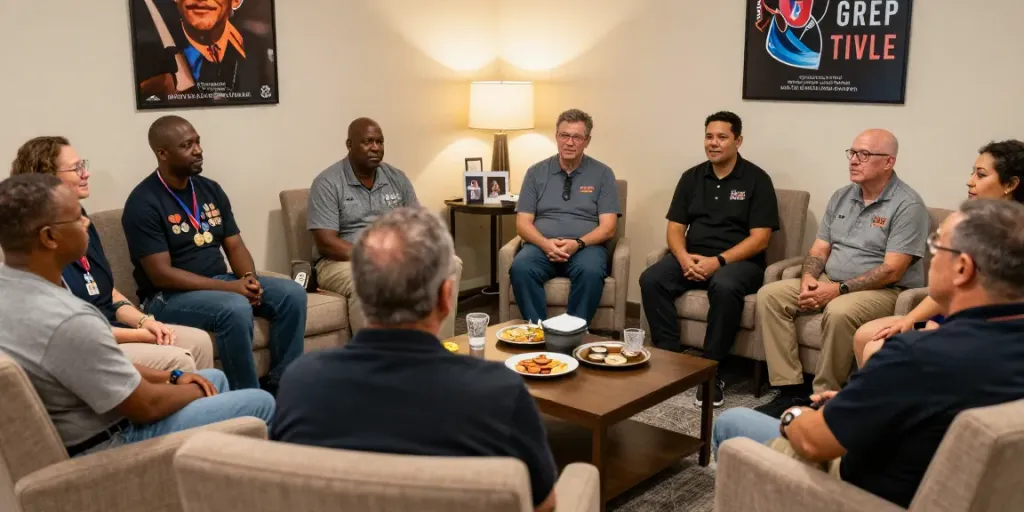
Establishing a safe and supportive environment for veterans to share their experiences is paramount. Peer support groups and counseling sessions can facilitate open discussions, allowing veterans to express their feelings and find common ground with others who have similar experiences. This sense of community can significantly alleviate feelings of isolation and foster collective healing.
Essential Services for Veterans Healing
To provide effective support for veterans, a range of essential services must be accessible. These services focus on various aspects of healing, from mental health therapies to community engagement initiatives.
Therapeutic Approaches and Their Benefits
Different therapeutic modalities can cater to the unique needs of veterans:
- Cognitive Behavioral Therapy (CBT): Helps veterans reframe negative thought patterns and develop coping strategies.
- Group Therapy: Encourages veterans to share their stories with others, providing mutual support and understanding.
- Art and Music Therapy: Utilizes creative expressions to help veterans process emotions and experiences.
Connecting Veterans with Resources and Programs
Many veterans struggle to find adequate resources and programs that can aid their recovery. Organizations focused on veterans’ issues should offer clear pathways to local resources, including healthcare facilities, job training programs, and mental health services.
Incorporating Family Support in Healing Processes
Family involvement is crucial in the healing process. Programs that educate family members about the challenges veterans face can strengthen relationships and improve support systems at home. Encouraging family participation in therapy can also foster understanding and improve communication.
Building a Strong Community for Healing
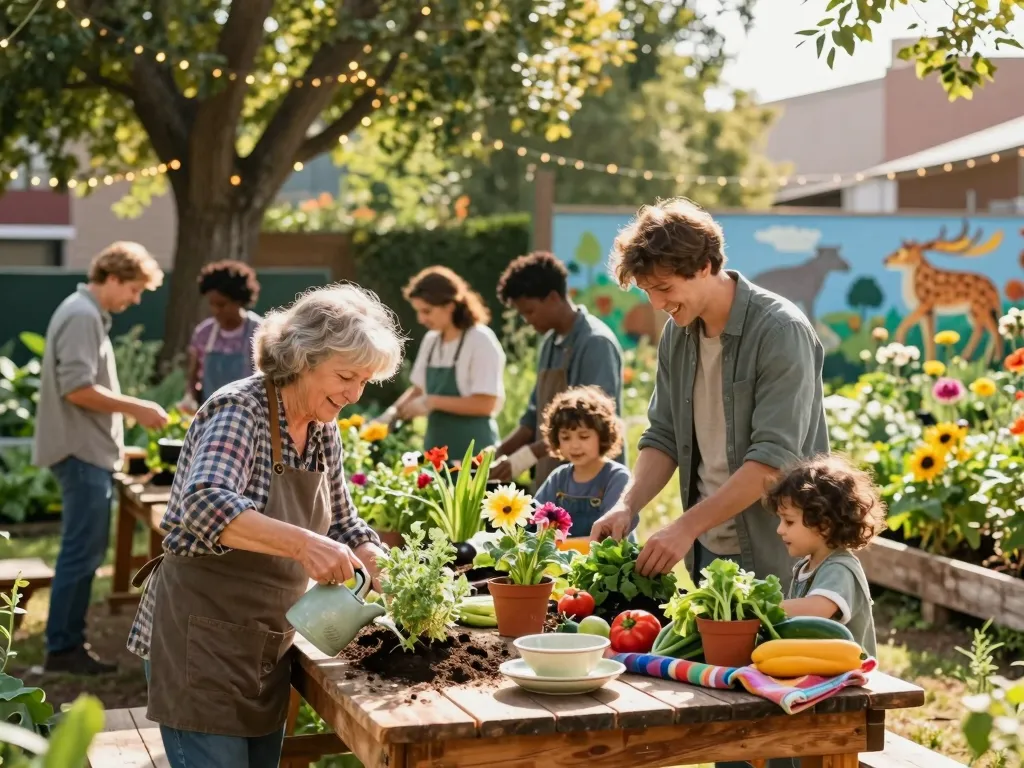
A supportive community can significantly enhance the healing journey for veterans. By fostering an environment of understanding and respect, veterans can find the strength to move forward. Community engagement initiatives are vital in creating this supportive atmosphere.
Role of Peer Support Networks
Peer support networks provide veterans with opportunities to connect with others who have similar experiences. These networks can offer emotional support, shared coping strategies, and friendship, making a substantial difference in a veteran's recovery path.
Volunteer Programs and Their Impact
Volunteer programs allow veterans to give back to their communities, which can significantly boost their sense of purpose and belonging. Engaging in volunteer work can provide a fulfilling way for veterans to connect with others while enhancing their own self-esteem and satisfaction.
Creating Events that Foster Community Engagement
Community events, such as workshops, retreats, or social gatherings, can facilitate bonding among veterans and their families. These events can serve as platforms for education, sharing experiences, and building lasting relationships that aid in the healing process.
Innovative Techniques in Veteran Healing Strategies
As the understanding of mental health evolves, so do the techniques employed in healing veterans. Innovative approaches are emerging to address the unique needs of this population.
Utilizing Technology for Remote Support
In recent years, technology has transformed the way veterans access support. Online therapy platforms, chat services, and mental health apps provide convenient avenues for veterans to receive assistance, especially for those in remote areas or with mobility concerns.
Integrating Art and Music in Therapy
Art and music therapy have gained recognition for their benefits in emotional expression and healing. These therapeutic practices encourage veterans to explore their creativity as a means to process experiences and emotions, leading to profound insight and healing.
Success Stories: Transformative Programs
Highlighting success stories can inspire hope among veterans seeking healing. Numerous programs have demonstrated their effectiveness in fostering recovery, illustrating how support, community, and innovative practices can facilitate the journey towards wellness.
Future Trends in Veterans Healing Initiatives
As we move forward, it’s essential to remain aware of emerging trends in veterans’ healing initiatives that aim to improve and expand support services.
Emerging Research on PTSD Treatments
Ongoing research into PTSD treatments continues to yield promising results. New therapeutic techniques and medication options are continually emerging, providing veterans with more comprehensive treatment plans tailored to their unique needs.
Partnerships with Government and Organizations
Collaborative efforts between non-profit organizations and governmental bodies are essential for creating sustainable programs for veterans. Effective partnerships can enhance funding opportunities and broaden access to essential services.
Advocacy for Continued Support and Funding
Advocacy remains crucial to ensure that veterans receive ongoing support and funding for mental health services. By campaigning for policy changes and increased awareness, advocates can help secure the necessary resources for veterans’ healing initiatives.
How to Get Involved in Veterans For Healing?
Individuals looking to support veterans can engage with organizations such as Veterans For Healing in various ways, including volunteering time, donating resources, or participating in community events aimed at raising awareness about veterans’ issues.
What Resources Are Available for Veterans?
A wide range of resources is available for veterans, including mental health support, housing assistance, and job training programs. It’s essential for veterans to familiarize themselves with these resources to effectively navigate their healing journeys.
How Can Families Support Their Veteran Relatives?
Families play a critical role in the healing process. Open communication, education about veterans’ challenges, and being present for emotional support can profoundly affect a veteran’s recovery.
What Are the Signs That a Veteran Needs Help?
Recognizing when a veteran needs help is crucial. Signs may include withdrawal from social interactions, changes in mood or behavior, increased substance use, and difficulty managing daily responsibilities. Family members and friends should be vigilant and ready to offer support.
What Innovative Practices Are Being Adopted?
Innovative practices in veteran care are continuously being developed, focusing on holistic approaches that address the mind, body, and spirit. From nature therapy to wellness retreats, many new avenues are being explored to enhance the healing process.